
Technology leaders are under pressure from every angle. Ship faster. Stay secure. Reduce costs. Build smarter systems. That sounds simple until outdated infrastructure, siloed teams, and slow deployments get in the way.
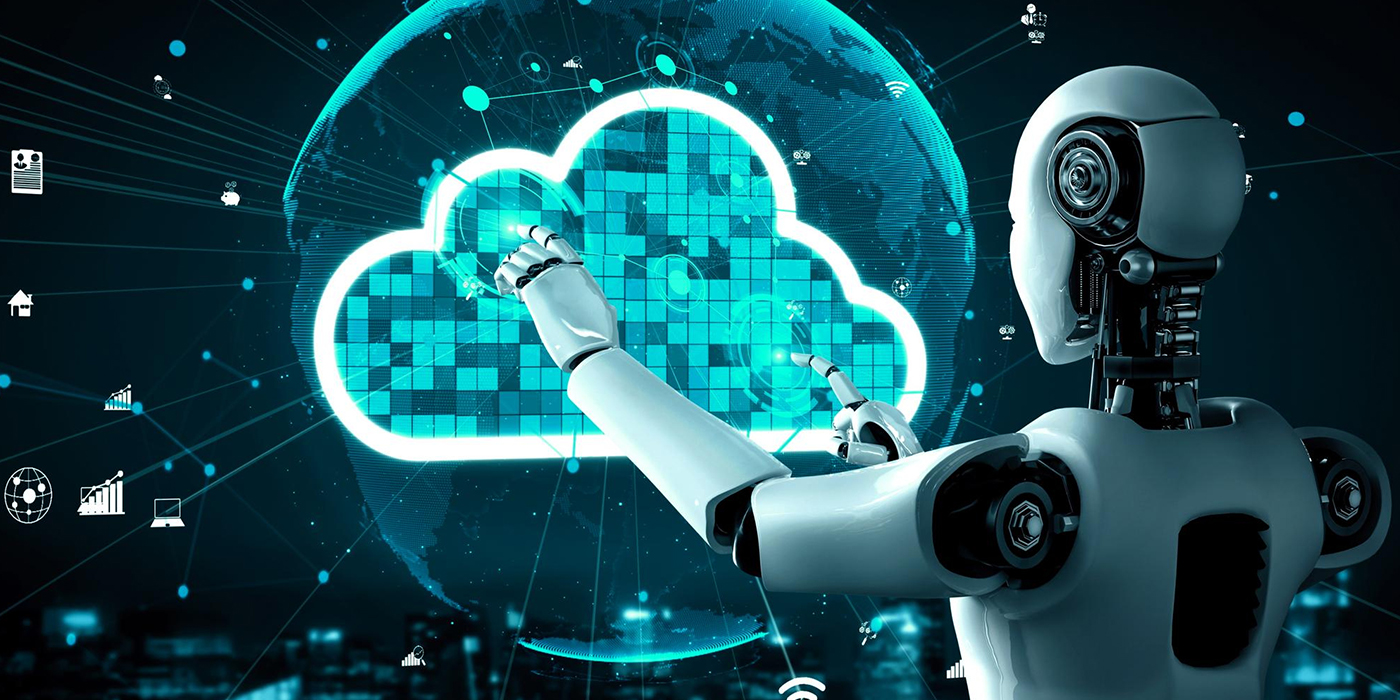
The companies moving ahead today are not relying on one solution. They are combining Cloud, DevOps, and AI to create agile, scalable, and resilient operations.
What’s Broken: Why Traditional IT Models Are Falling Behind
Many organizations still run on fragmented systems. Infrastructure teams manage servers manually. Developers wait days for environments. Security reviews happen too late. Data sits unused while competitors act faster.
This creates a chain reaction. Product launches stall. Costs rise quietly. Teams burn out. Customers notice delays long before leadership does.
Imagine a retail company preparing for a holiday launch. Traffic spikes unexpectedly. Legacy systems struggle. Engineering scrambles overnight. Revenue leaks by the hour.
Or consider a healthcare provider storing valuable data across disconnected systems. Insights exist, but no one can reach them quickly enough to improve patient care.
When systems move like molasses, growth becomes expensive.
What’s Shifting: Why Cloud, DevOps, and AI Now Belong Together
A decade ago, these were separate conversations. Cloud was about hosting. DevOps was about delivery speed. AI was experimental. That era is gone.
Cloud gives businesses flexible infrastructure. DevOps turns software delivery into a repeatable engine. AI extracts intelligence from data and automates decisions.
Analyst firms consistently report that organizations using automation, cloud-native architecture, and data intelligence outperform peers in speed and efficiency. The pattern is clear. These three disciplines are stronger together than apart.
Think of them as an orchestra. Cloud is the stage. DevOps is the conductor. AI is the virtuoso adding brilliance.
Why They Work Better Together
Separately, each discipline helps. Together, they compound value. Cloud provides elastic compute power for AI workloads. DevOps accelerates the release of AI models and digital products. AI improves operations by analyzing telemetry, logs, and user behavior. This loop creates a smarter enterprise.
Cloud Creates a Stronger Foundation
Traditional hardware often feels rigid. Capacity planning takes months. Upgrades disrupt operations. Cloud changes that model. Businesses can scale resources when needed and reduce waste when demand falls.
A logistics company entering new markets can launch systems quickly without building physical infrastructure first. A media company can handle sudden traffic surges without panic. Cloud turns infrastructure from a burden into a business advantage.
DevOps Removes Delivery Friction
Many businesses still treat software releases like major events. Long meetings. Last-minute fixes. Weekend stress. DevOps replaces that chaos with repeatable processes. Development and operations teams work together. Testing becomes continuous. Releases become smaller, safer, and faster.
Instead of shipping updates every few months, some companies release improvements weekly or even daily. That speed matters because markets do not wait.
AI Adds Intelligence to Operations
Speed is useful. Smart speed is better. AI helps companies forecast demand, detect unusual behavior, improve support, and automate routine decisions. It transforms data into action.
A healthcare provider can predict appointment no-shows. A bank can flag suspicious activity faster. A retailer can recommend products more accurately.
AI is not magic dust. It is practical leverage when paired with strong systems.
Why These Three Work Best Together
Cloud provides scalable computing power. DevOps helps teams deploy changes quickly. AI uses that environment to learn, predict, and optimize.
Together, they form a feedback loop.
Cloud supports growth. DevOps improves delivery. AI sharpens decisions.
That combination helps businesses stay calm under pressure while competitors scramble.
Real-World Application: A Mid-Sized Retail Transformation
A growing retailer struggled with downtime during promotions, slow deployments, and poor demand forecasting.
Hubcom migrated core workloads to cloud infrastructure, introduced DevOps pipelines for rapid releases, and implemented AI forecasting for inventory planning.
Results followed quickly. Site stability improved during traffic surges. Release cycles shortened dramatically. Stockouts dropped. Teams stopped reacting and started planning.
That is what modern infrastructure should feel like. Calm under pressure.
Common Mistakes Businesses Make
Some companies move to the cloud but keep old habits. Others buy DevOps tools without changing team culture. Many chase AI before cleaning their data.
That approach rarely works.
It is like buying a race car and never learning to drive it.
Real progress comes from clear priorities, phased execution, and steady improvement.
Why This Matters Now
Markets are less forgiving than before. Customers switch quickly. Downtime spreads across social media. Slow delivery creates hidden losses.
Modern infrastructure is no longer a luxury project. It is operational survival.
Companies that modernize now gain flexibility, efficiency, and confidence. Those that delay often pay more later.
Key Takeaways
- Cloud creates scalable and flexible infrastructure.
- DevOps speeds software delivery and improves reliability.
- AI turns data into smarter decisions.
- Combined, they create stronger business performance.
- Modernization works best when strategy leads technology.
Why Work With Us
We focus on outcomes, not buzzwords. Our team blends Cloud, DevOps, and AI expertise to solve real business problems with clear ROI.
You get one trusted partner, faster delivery, secure implementation, and solutions tailored to your goals. We build systems your team will use, scale, and trust long term.
If your infrastructure feels heavy, slow, or reactive, it may be time for a smarter model. Talk to Hubcom’s experts today and explore how Cloud, DevOps, and AI can modernize your business.